Working Musician Reveals the Truth About the Music Business: Salary, Streaming & Surviving as an Artist
$0 – $200K+
Most musicians earn modest incomes. A small percentage earn substantial money through touring, licensing, publishing, or hit songs.
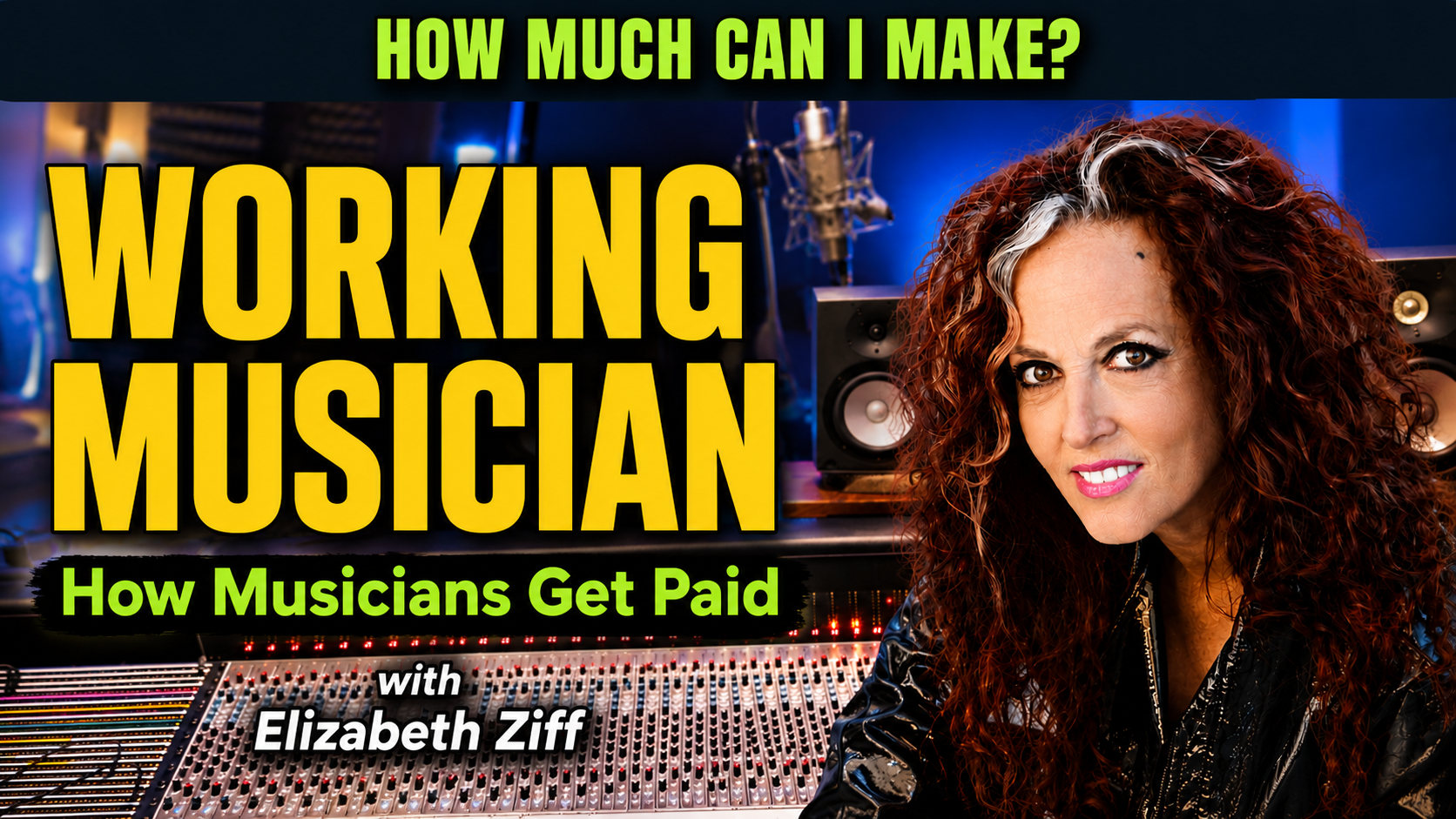
Go behind the scenes with Elizabeth Zif, songwriter, producer, engineer, and founding member of the pop band Betty – together for 39 years and counting. She breaks down the real economics of a music career: why Spotify pays almost nothing, how sync licensing actually pays the bills, and why keeping your publishing rights can make or break your livelihood.
What you’ll learn in this episode:
- How a musician actually makes money in 2026 (it’s not Spotify)
- What sync licensing is and why it’s the real income source
- How much a TV show pays for a song ($3K–$5K and up)
- Why publishing rights are the most important thing an artist can own
- What it takes to write a hit — and why raw talent isn’t enough
- How Elizabeth Zif of the band Betty wrote the theme song for The L Word
How much can musicians make?
Income in music varies wildly depending on talent, business skills, touring, licensing, publishing ownership, and luck. Typical earnings for musicians and songwriters:
- Beginner/local musician: $0–$40K
- Working independent musician: $40K–$80K
- Touring musician or composer: $80K–$150K+
- Successful songwriter with publishing/catalog: $200K+ possible
- Hit songs licensed for TV/film/commercials can generate significant long-term income
Elizabeth explains that streaming platforms often pay fractions of a penny per play, making it difficult for independent artists to survive solely on recorded music revenue.
Many musicians earn more from:
- Touring
- Merchandise
- Licensing music to TV and film
- Publishing rights
- Patreon and fan support
- Producing or engineering for others
For many working artists, live performance remains the primary income source.
What is sync licensing?
Sync licensing is when music is used in:
- Television shows
- Movies
- Commercials
- Video games
- Streaming content
- Trailers
Listen to music sync episode → This can be one of the most profitable parts of the music industry.
Elizabeth discusses how songs may be licensed for several thousand dollars – or much more depending on the project, exposure, and negotiating power. She also explains why publishing ownership is critical for musicians who want long-term income and control over their music.
How do musicians break into the industry?
Some musicians start by:
- Writing songs independently
- Uploading music online
- Performing live locally
- Collaborating with producers
- Moving to music hubs like Nashville or Los Angeles
- Networking with music supervisors and publishers
- Writing for other artists
You may also like:
- Music Sync Licensing Career →
- Voice Over Artist Salary →
- Broadway Makeup Artist & Wig Maker →
- Sculptor & Art Business Careers →
- Digital Entrepreneur →
FAQ
How do musicians actually make money today?
Primarily through live performances and sync licensing — having music placed in TV shows, films, and ads. Streaming services pay a tiny fraction of a cent per play, which adds up to almost nothing for most artists.
What is a sync license and how much does it pay?
A sync license gives a TV show, film, or brand the right to use your song. A typical placement can pay $3,000–$5,000 or more per song, though rates vary significantly based on the artist’s profile and the size of the project.
What are publishing rights and why do they matter?
Publishing rights are the ownership stake in a song. When your music is used commercially, the publisher collects the licensing fees. Keeping your own publishing means you receive that income directly — selling it means giving that revenue stream away permanently.
Can you make a full-time living as a musician?
Yes, but it requires diversifying across income streams: performing live, licensing music, producing, engineering, and potentially composing for other projects. Very few musicians survive on recorded music alone.
Does AI threaten the music business?
Elizabeth argues that formulaic, beat-driven music may be replicable by AI, but songs written from genuine human experience are harder to replicate. She compares the current moment to the rise of Napster — a wave the industry failed to adapt to in time.
You may also like:
The business of music sync licensing →
Musical Wonderer – with Zoe Lewis →